Champagne Paul Goerg
“ The finest experiences are rooted in place, season, and patience.”



Is there a flavour, ingredient or sensation you associate strongly with a particular landscape, climate or environment?
There are definitely tastes that immediately transport me. Chalk is one of them, more a texture than a flavor, perhaps, but it brings me straight back to the Champagne region. That minerality, combined with a certain brightness, always evokes cool climates, open landscapes and that very particular light you find there.
Do you think people experience a product differently depending on where it comes from?
I do think people experience a product differently depending on its origin, even if they’re not always consciously aware of it. There’s something embedded in a product, climate, soil, culture, that comes through in subtle ways.
“With champagne, time is the one thing you can’t compress.”
Has seasonality changed the way you think about taste or the way people consume today?
Seasonality has, in some ways, become both more appreciated and more abstract. People talk about it more, but they don’t always live it.
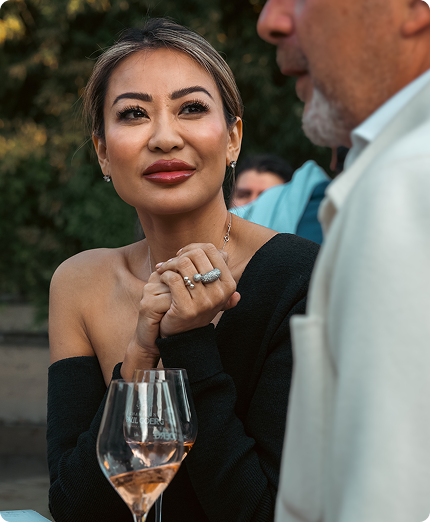
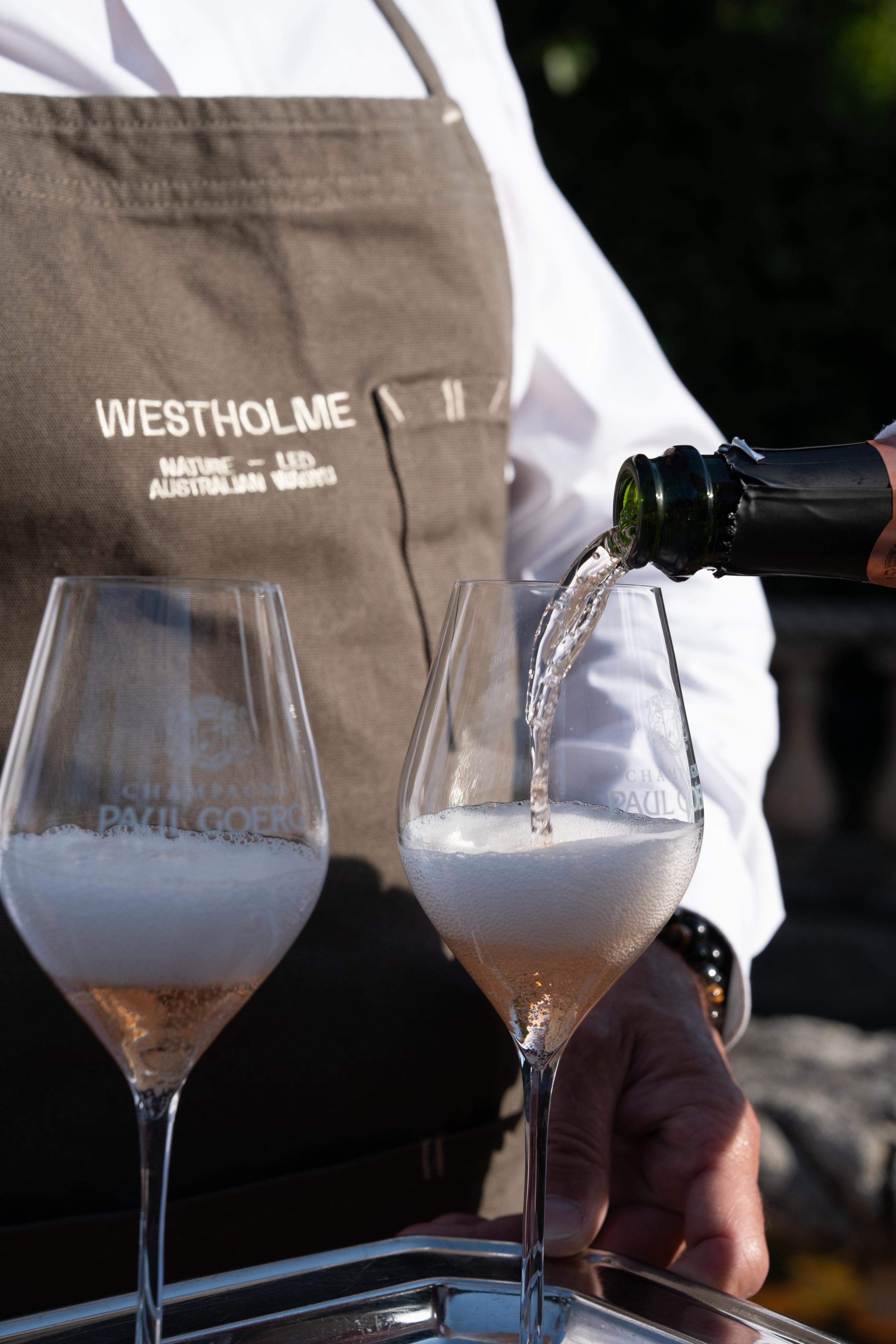
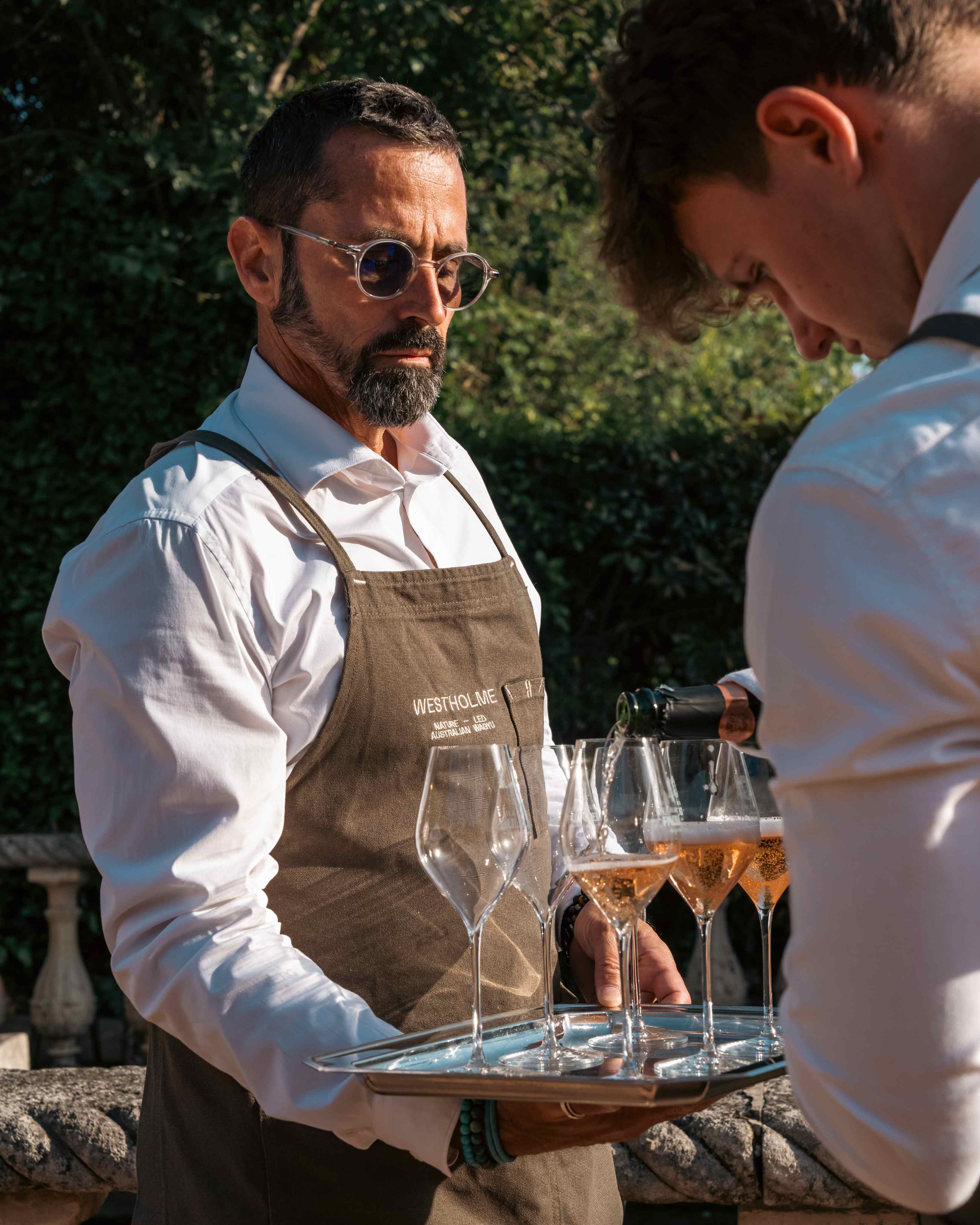
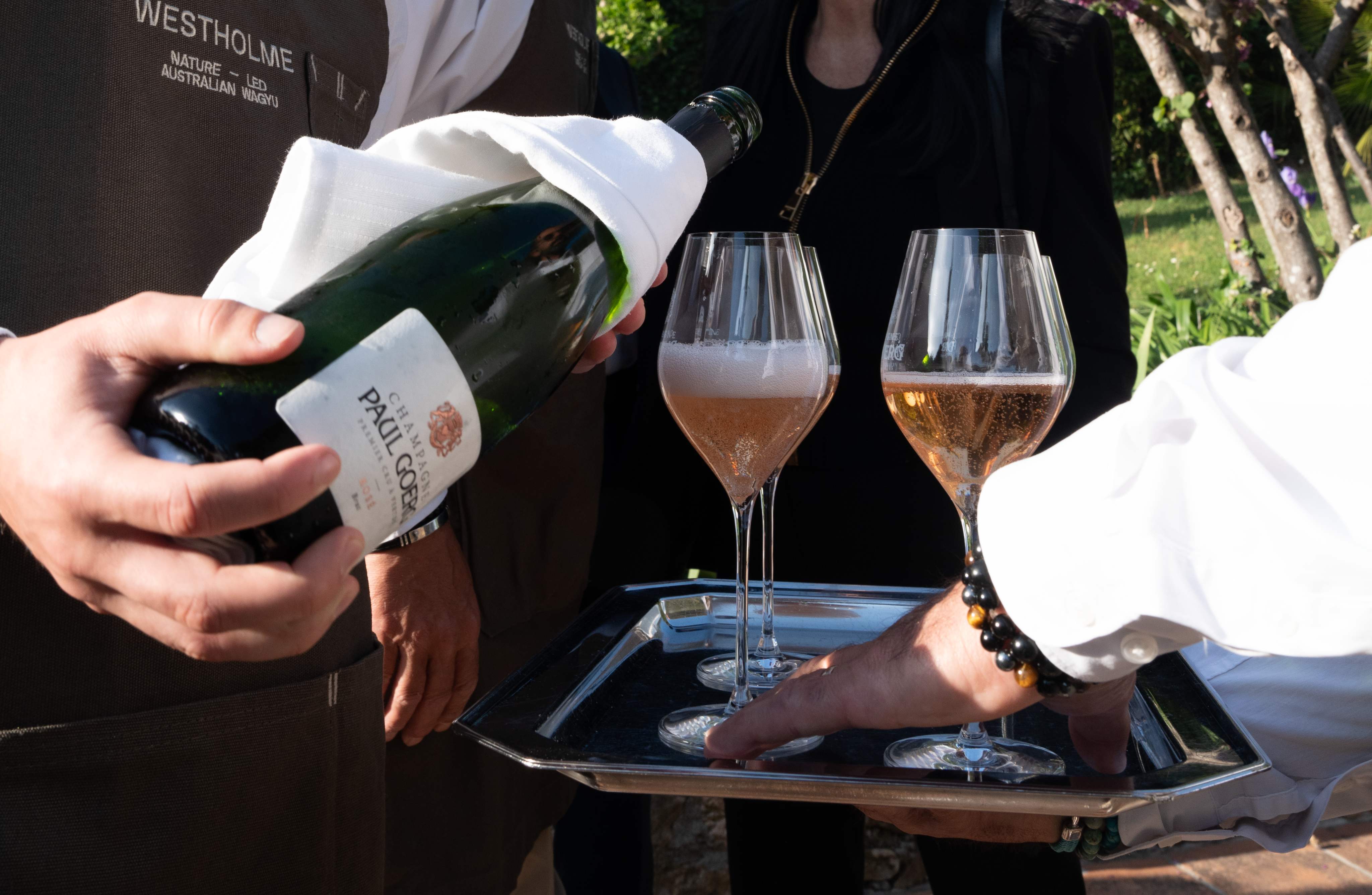
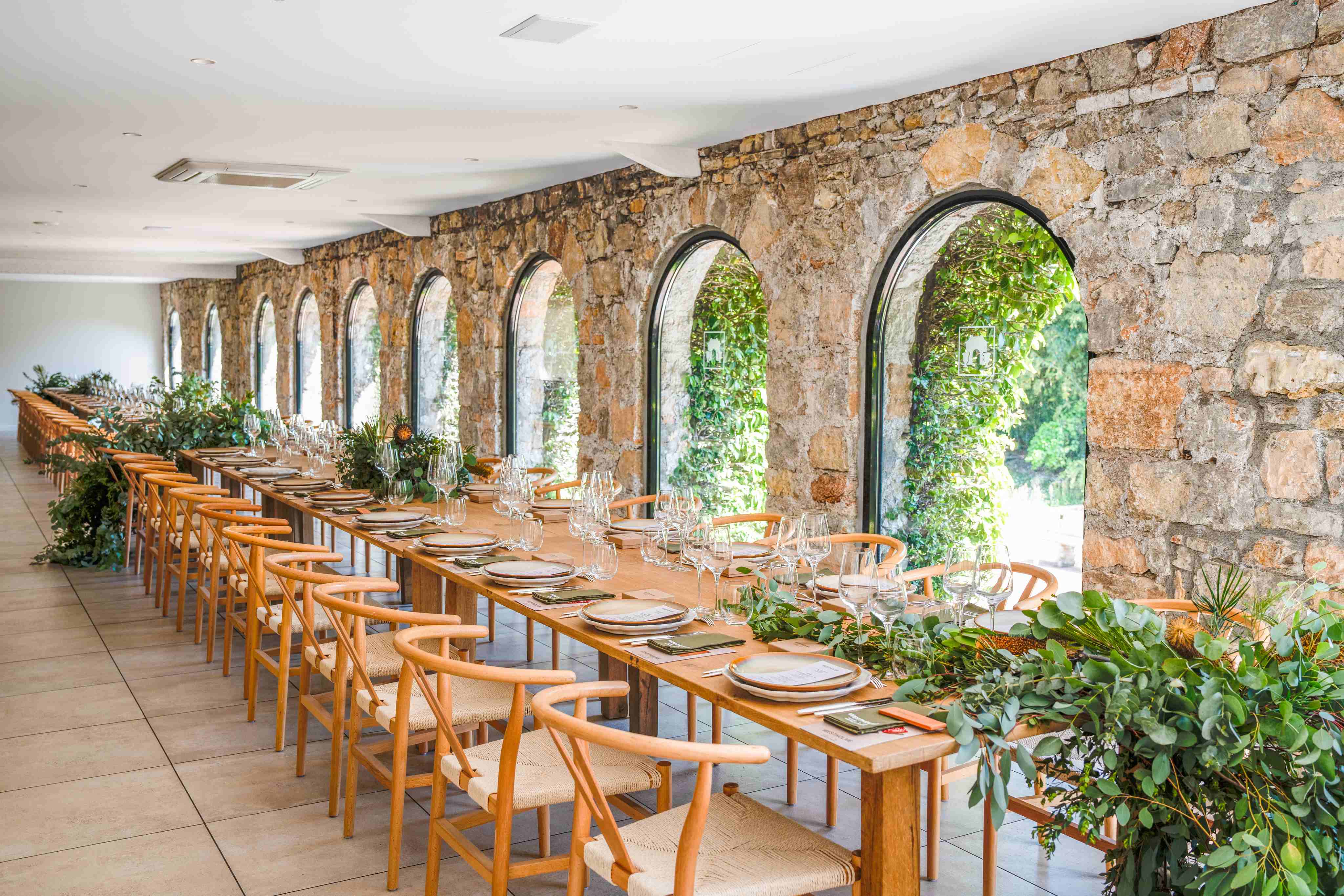
At the dinner, though, there was a real sense of alignment, the richness of the Wagyu, the freshness and structure of the champagne. It felt anchored in a moment, rather than interchangeable.
What do we lose when everything becomes available all year round?
When everything is available all year round, I think we lose a form of anticipation. That sense of rhythm, of looking forward to something, is part of how we build memory and desire around taste.
Without it, experiences can feel flatter, even if the quality is still there.
Do people still know how to wait for things today?
I’m not sure people really know how to wait anymore, at least not collectively.
But when they are given the opportunity to slow down, like during that dinner, something shifts. There’s more attention, more presence.
What part of the process around champagne simply cannot beaccelerated?
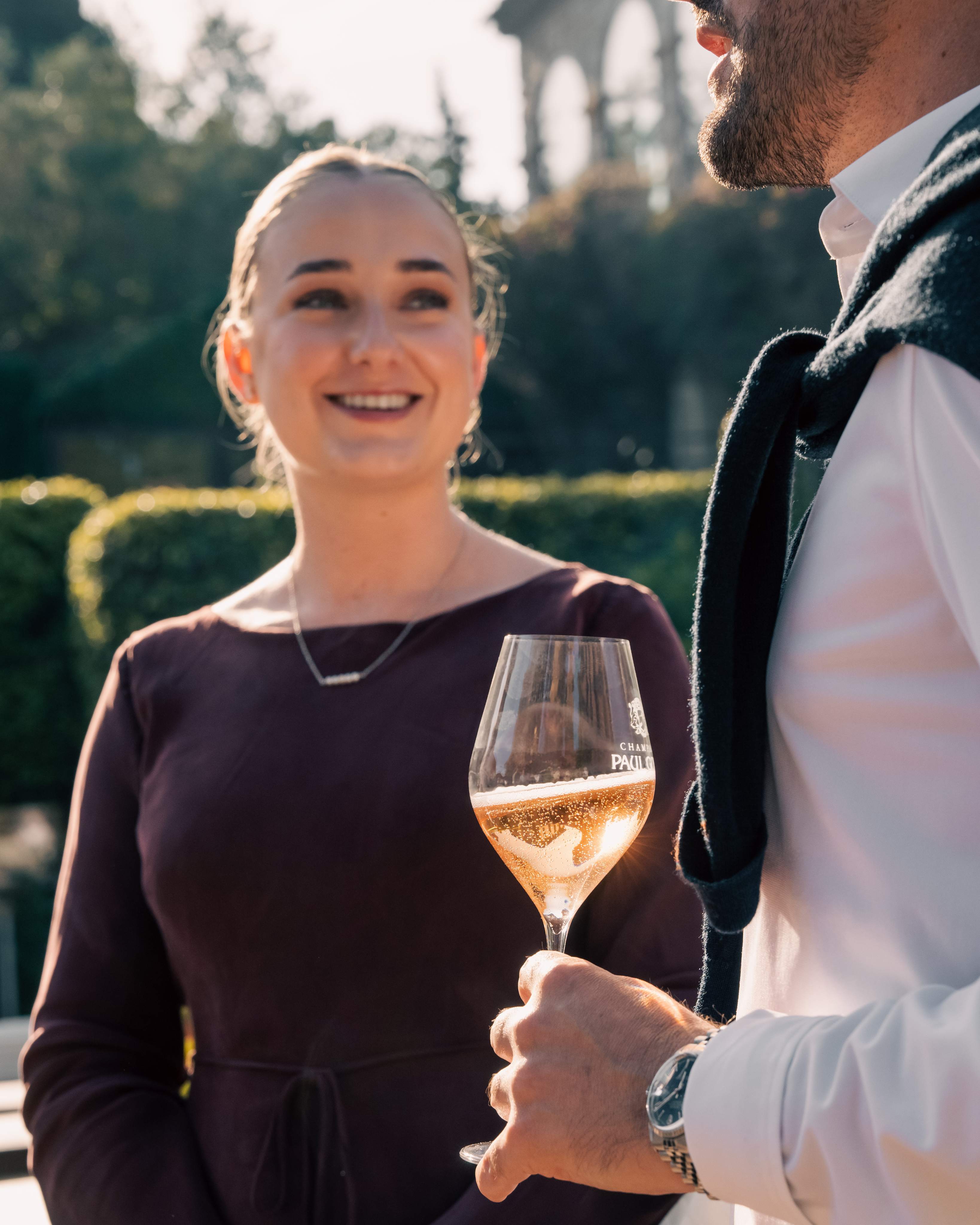
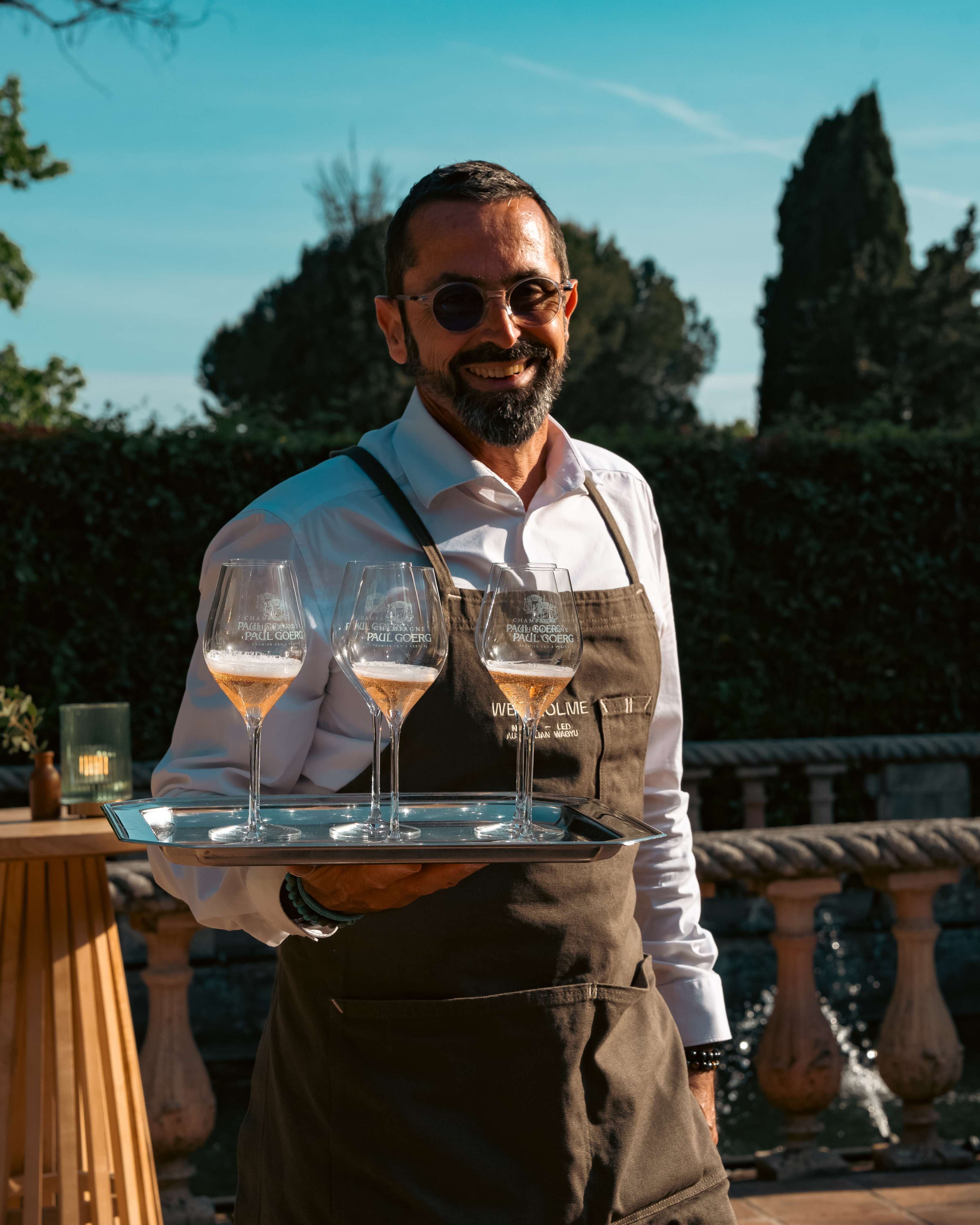
With champagne, time is the one thing you can’t compress. The ageing, the evolution in the cellar, these are processes that resist acceleration.
You can guide them, but not rush them without losing something essential.
What part of this work do people rarely understand?
I think what people often underestimate is the quiet precision behind it all. Champagne can feel effortless when you drink it, but it’s the result of countless small decisions, a lot of patience and a deep understanding of both nature and technique.
Do certain traditions around champagne or taste feel more fragile today?
Some traditions do feel more fragile today, especially as production scales or expectations shift.
But at the same time, there’s also a renewed interest in authenticity and craftsmanship, which gives me a certain optimism.
What taste or smell instantly takes you somewhere else?
The smell of freshly baked brioche always takes me somewhere, perhaps because it’s also a note you sometimes find in aged champagne.
It’s warm, comforting and layered with memory.

@champagnepaulgoerg
.jpeg)
Westholme Wagyu
“Great beef is built slowly.”
.jpeg)