Bruern Flour
"You can complain that it's getting hotter and your crops are failing every year because of climate change. Or you can grow tomatoes."


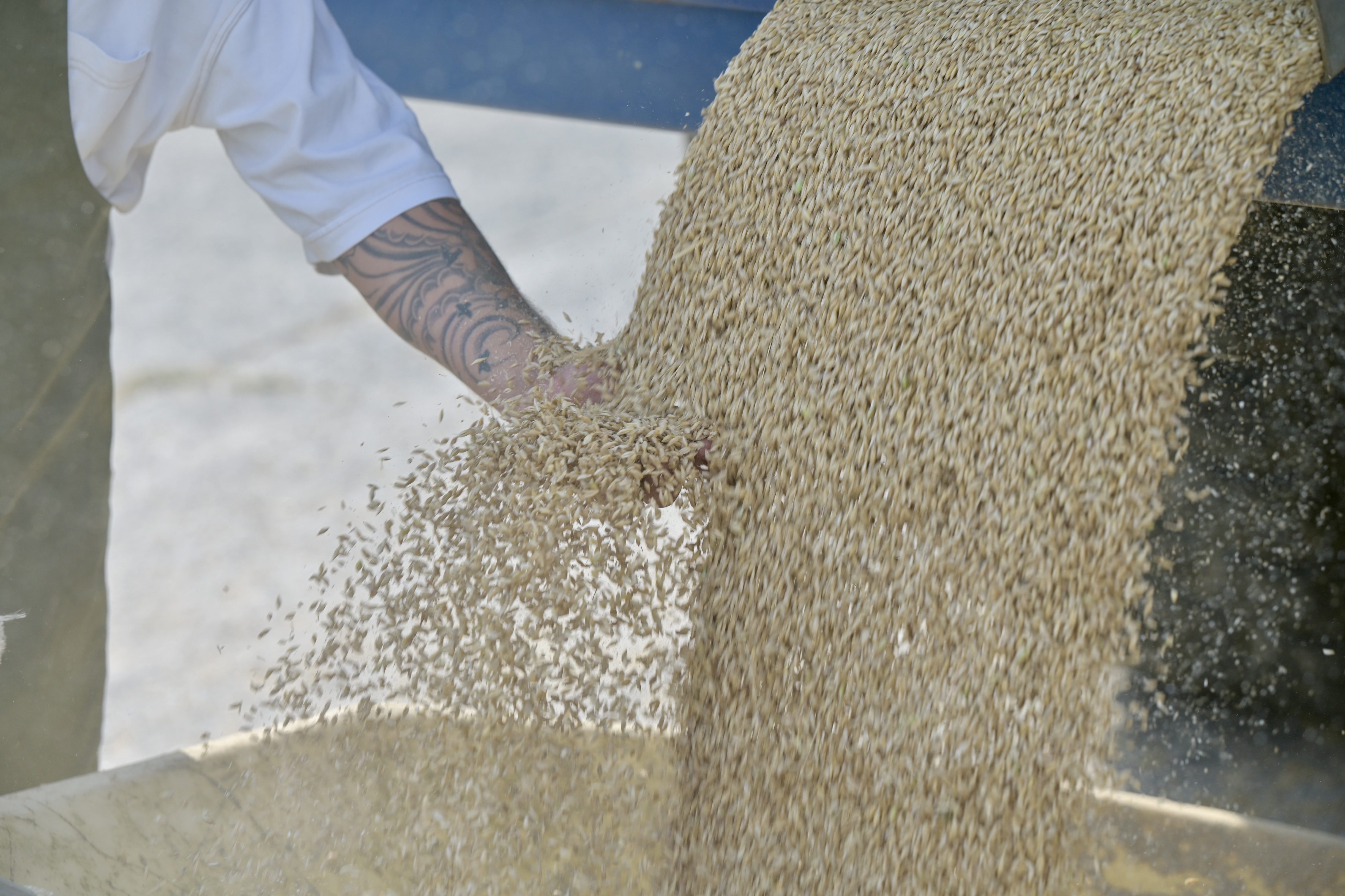
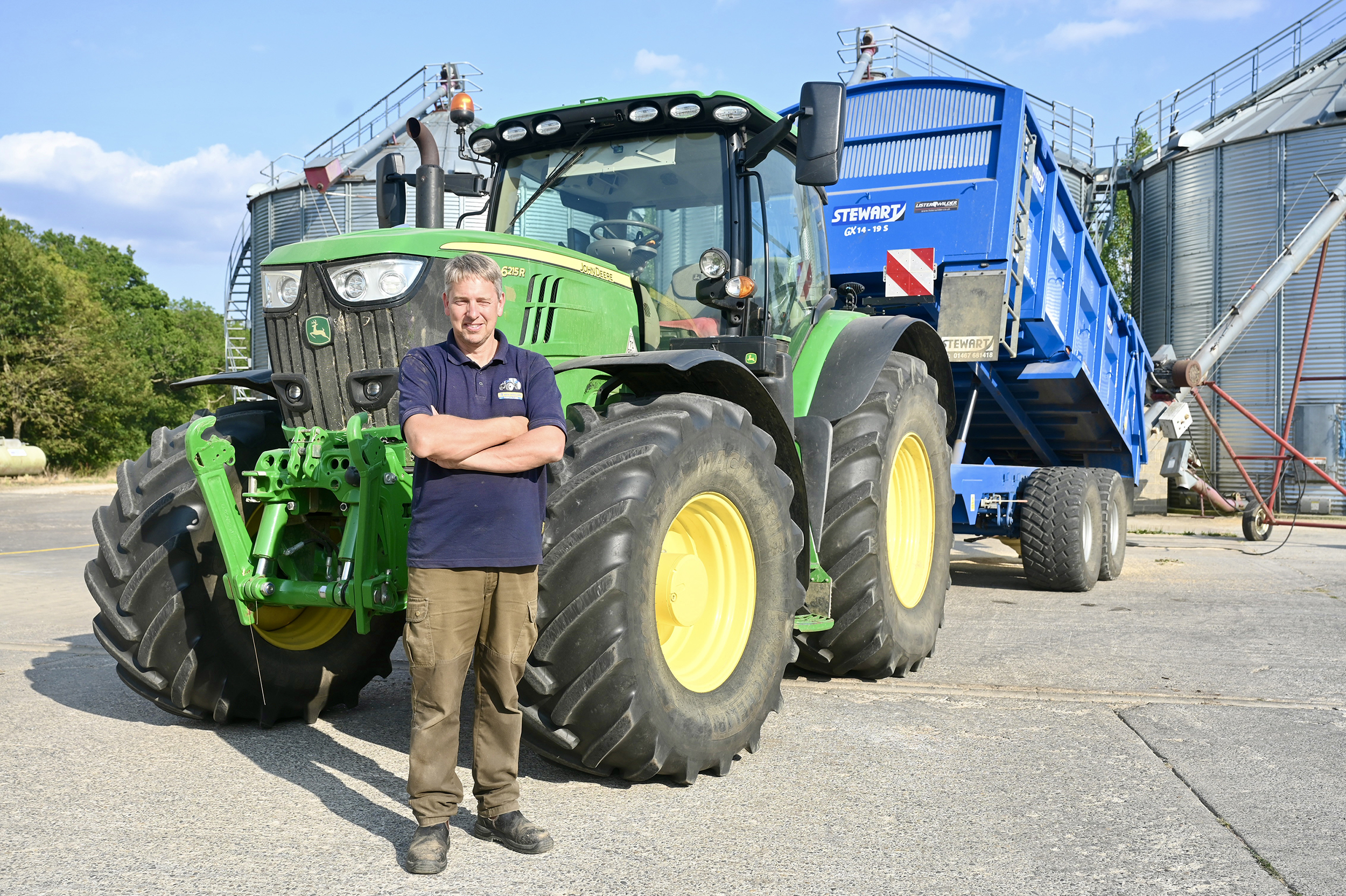
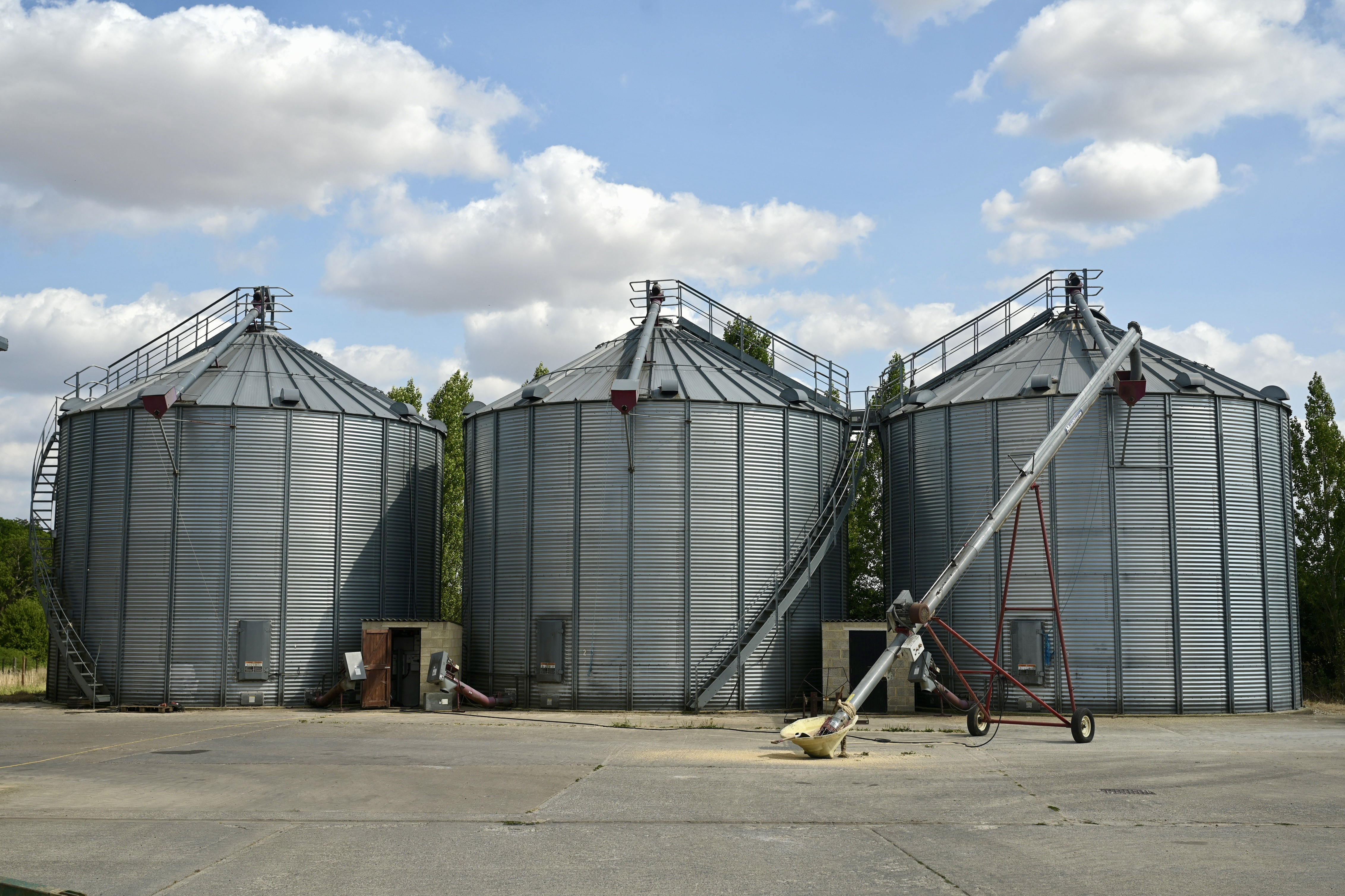
We had a conversation with Henry Astor on a warm July afternoon as wheat was poured into the Bruern Farm silos. We happened to visit in the middle of harvest, the moment Henry later describes as "the climax of all that work."
A few hours later, we'd be serving dinner beneath the farm's heritage apple trees, eating bread made from grain milled just metres away. Before guests dined, we talked about stewardship, flour, food security and why adaptation has become the defining skill of modern farming.
Éloïse - Bruern is obviously a working farm. How would you describe its identity to someone visiting for the first time?
Henry - Diverse.
That's probably the best word for it.
We're building it back into a diverse system. We've got cattle, arable crops, a farm shop, a café. We used to have pigs. It's a regenerative farming system.
That's really its identity. Diversity.
Éloïse - Many people think about farming in terms of production. What does good stewardship of the land mean to you?
Henry - It starts with healthy soil.
That's the most important thing. Once your soil is working and active, you can grow healthy food. You create biodiversity with birds, bees and insects.
But you've also got to connect people with the food you grow. You've got to reduce the supply chain as much as possible and supply people as close to your farm as you can.
Éloïse - That's exactly what we're trying to do tonight with dinner in the fields.
Henry - Exactly.
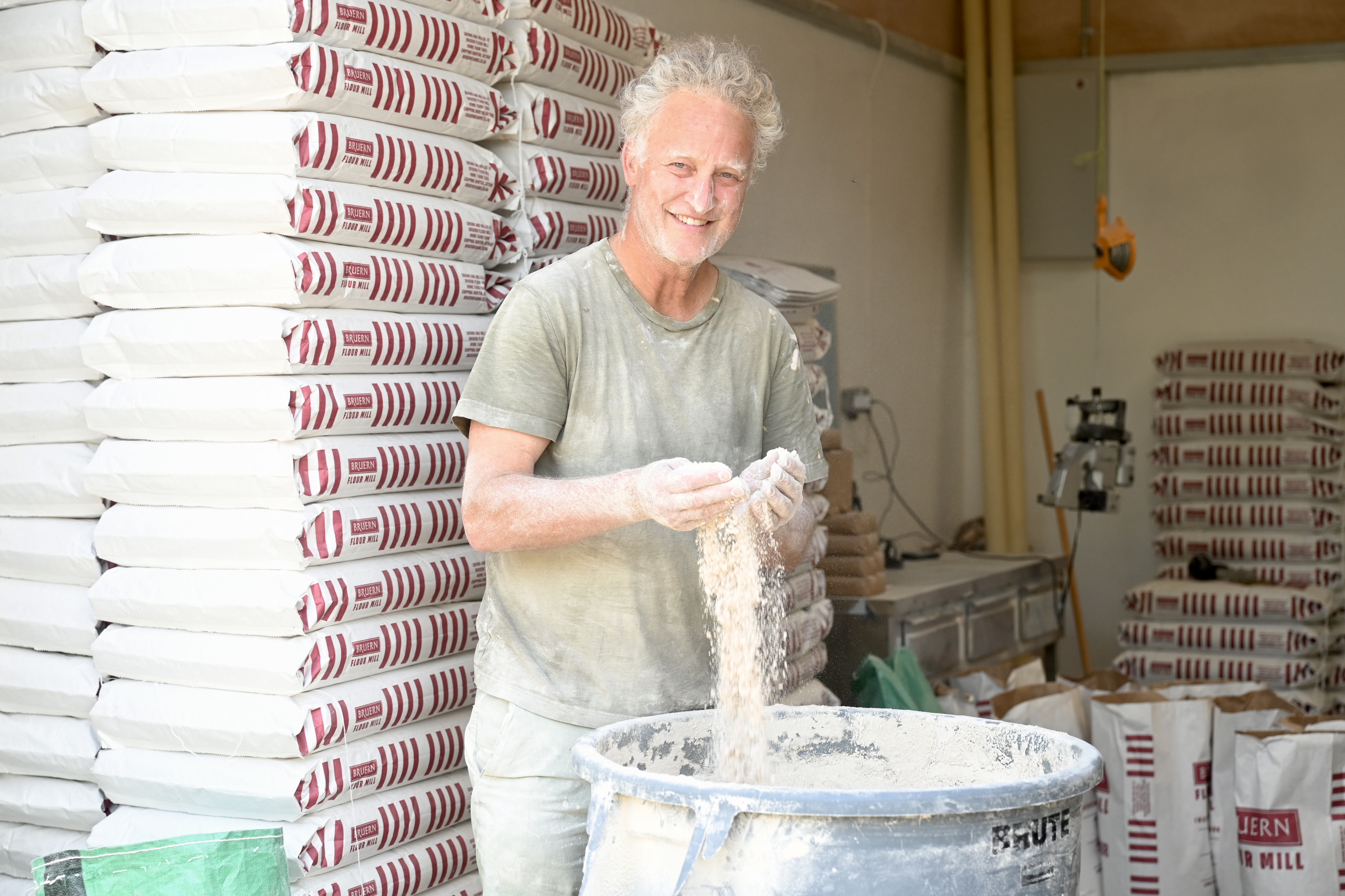
"We're probably the most important people in the country because we grow food. At the same time, we're almost irrelevant to the global commodity market."

Éloïse - I heard earlier that your time in New York eventually led you to start milling your own flour. What sparked that decision?
Henry - It came out of necessity.
We'd left the European Union. Farming was completely uncertain. The industry on its own doesn't make money. It's only viable because of government funding, and all of that was up in the air.
I inherited a farm that was going to lose money. We were growing a commodity crop that was worth less every year because there was simply too much wheat on the market. At the same time, the machinery cost more every year, the inputs cost more every year, and I was hostage to geopolitics, wars and global markets.
So I asked myself: how do I reduce my risk? And how do I add value?
The obvious answer was to take what we're already growing and turn it into flour.
The next stage would be pasta or bread.
The stage after that would be a bakery or a restaurant.
That's how you add value all the way down the chain. You own that value.
Éloïse - If visitors or chefs leave Bruern remembering one thing, what do you hope they notice?
Henry - The diversity.
If you look up while you're having dinner tonight, you'll see around eighty different varieties of heritage English apples growing in our agroforestry system.
In our grain fields there might be fifty or seventy different varieties growing together.
It's all about diversity and variety.

Éloïse - Has spending so much time on the land changed the way you think about eating?
Henry - Absolutely. I only eat meat I've killed myself. Venison, beef, lamb, pork. I'd never buy meat from somewhere else because I don't trust it.
It always tastes better too when you've killed it yourself and butchered it yourself. The same goes for vegetables and flour.
There's something really nice about growing something, milling it yourself and then making a loaf of bread with it.
Éloïse - It's the whole process.
Henry - Definitely.
Éloïse - The Cotswolds are often admired for their beauty, but beauty alone doesn't sustain a landscape. What do people misunderstand about places like Bruern?
Henry - People go somewhere like Daylesford and think that's what real farming is. It isn't.
The paradox is that we're probably the most important people in the country because we grow food, but if every farmer in England stopped tomorrow, the global commodity market wouldn't even notice because we're so small.
We're irrelevant to the market we're operating in.
But we're absolutely key to food security.
Unless we restructure farming so we're genuinely connected to food security, we remain irrelevant.
Éloïse - If someone left Bruern understanding just one thing about farming that they didn't know before, what would you hope it was?
Henry - That the current farming system gives the farmer about thirty percent control over the business.
The other seventy percent is completely outside your hands. Government. Weather. Geopolitics. Wars. Climate change.
People think there's nothing you can do, but that's not true. You can complain that it's getting hotter and your crops are failing every year because of climate change. Or you can grow tomatoes.
You can complain that fertiliser prices have gone through the roof. Or you can build compost and make your own fertiliser. You've got to adapt. That's just the way we've got to think.

Éloïse - Is there a particular moment in the farming year that you look forward to more than any other?
Henry - Harvest.
Everything you do from the end of one harvest to the beginning of the next is working towards that harvest.
This is the climax of all that work.
Éloïse - We happened to visit right in the middle of it.
Henry - Exactly. Harvest used to be at the beginning or middle of August.
Now it's often the middle of July.
It's getting earlier.
You've got to adapt. That's just the way we've got to think.
As we finished talking, Henry pointed towards the grain dryers humming away across the farm. Every day during harvest, freshly cut grain is dried, carried down to the mill by tractor and turned into flour just a few metres from where we were standing. A few hours later, that same flour would become part of the dinner served beneath the orchard.


@bruernfarms
.jpeg)
Westholme Wagyu
“Great beef is built slowly.”
.jpeg)