Does this place slow people down or heighten them? Kalei exists in a kind of dual rhythm.
On one hand, it invites pause as guests linger over coffee, flip through vintage magazines, or simply sit within the atmosphere of a carefully assembled townhouse, subtly scented with notes of jasmine, oud, and frankincense from Amouage. On the other, it activates curiosity. Through exhibitions and gatherings, the space becomes a point of exchange, community, and education.
What do people notice more when they’re here?
The first thing many people notice when visiting Kalei is that the space is less of a traditional gallery and instead a design ecosystem. We wish to change the perception of a traditional gallery, and create an approachable and exciting environment for those just entering into collectible design and legacy collectors alike. We pose the questions "How can we make our homes look more like us?"
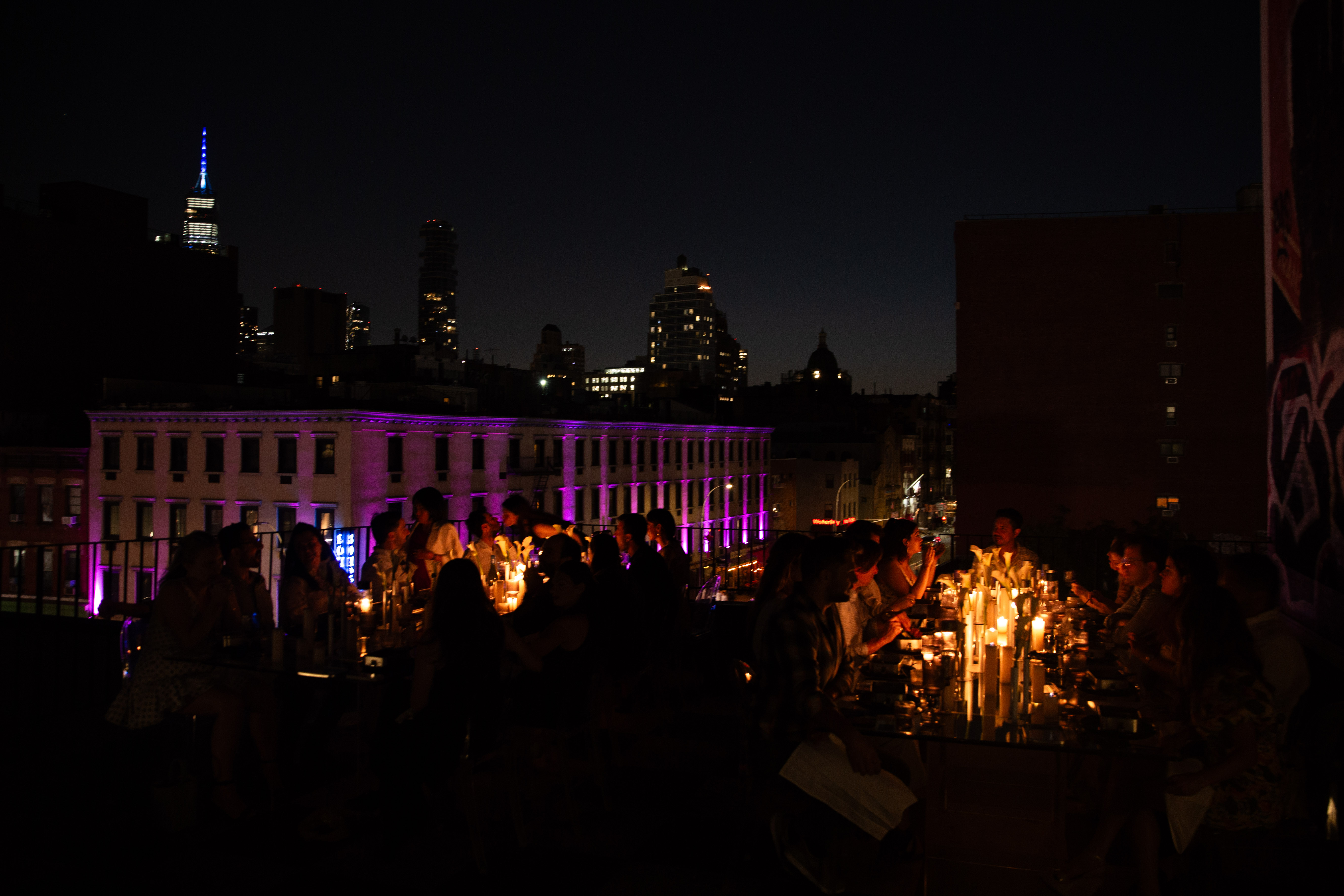
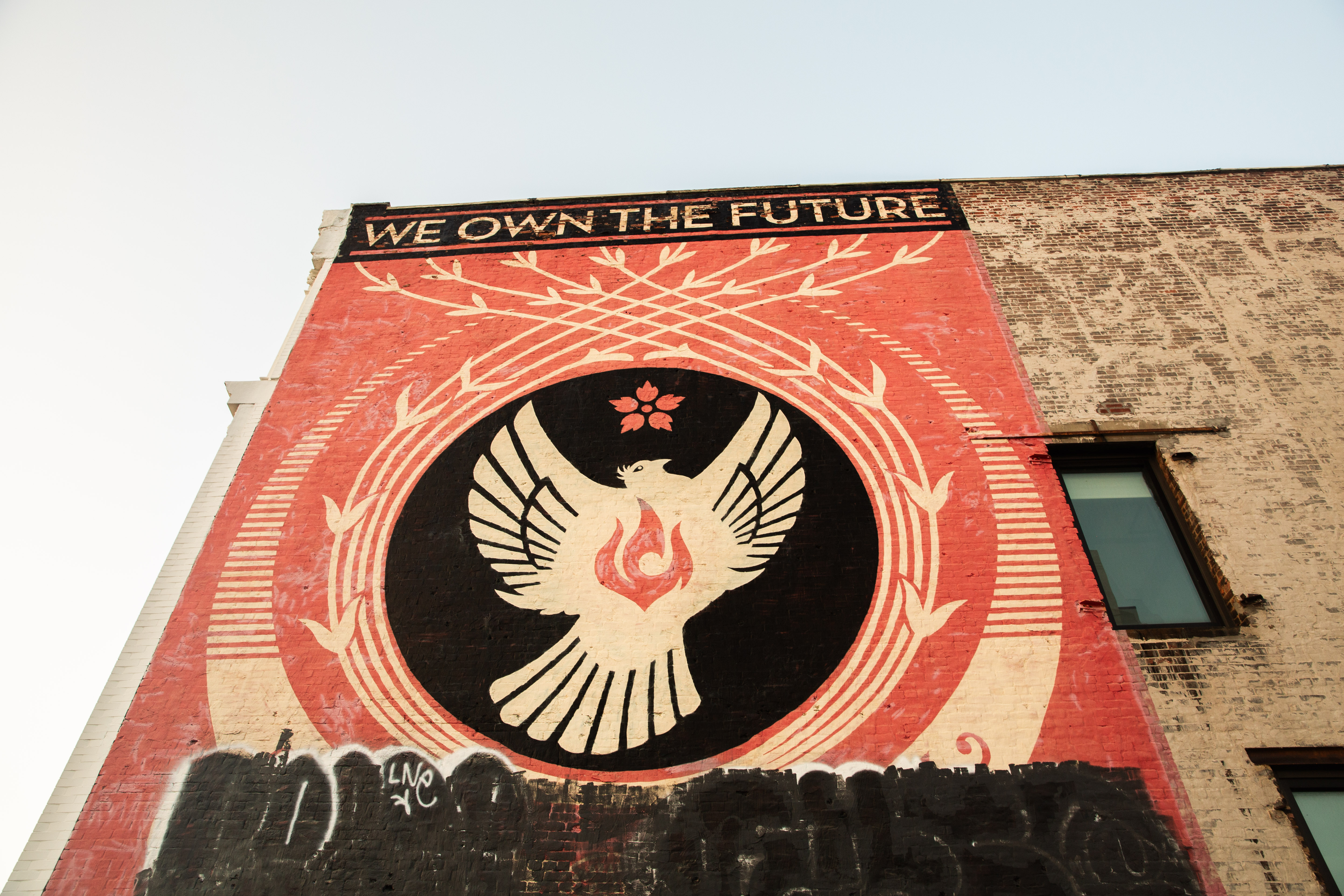
Have you seen hospitality change people’s relationship to a place?
Absolutely. Hospitality has a way of softening edges and opening perception. For many, the earliest memories of hospitality are rooted in the home; the anticipation of guests arriving, the rituals of preparing a table, the subtle choreography of care. Those same instincts carry into spaces like Kalei. What might begin as a gallery visit becomes something more intimate, more human. It’s the accumulation of small, thoughtful gestures that transform a setting into an experience, one that feels effortless, yet deeply considered.
How do you preserve the identity of a place while opening it to guests?
We love to connect with guests as they enter and discuss our ethos openly. We invite people to engage with rare, collectible design in a way that feels natural, even familiar. The goal is not to preserve identity by restricting access, but to strengthen it through meaningful encounters, all the while encouraging guests to imagine these works not as distant objects, but as part of their own daily lives.
Have you ever had to choose between comfort and authenticity?
In truth, running Kalei has little to do with comfort. Like any young venture, it exists in a constant state of motion — navigating delayed shipments from Italy, shifting weather, and the relentless pace of New York itself. But that friction is part of its identity. Kalei is, in many ways, a reflection of the city: raw, evolving, and grounded in reality.
Can hospitality reveal something new about a location?
Hospitality has the power to redefine a place entirely. It isn’t bound to geography or status; rather, it emerges from warmth, intention, and care. A space becomes memorable not because of where it is, but because of how it makes people feel within it. In that sense, hospitality doesn’t respond to location — it creates it.
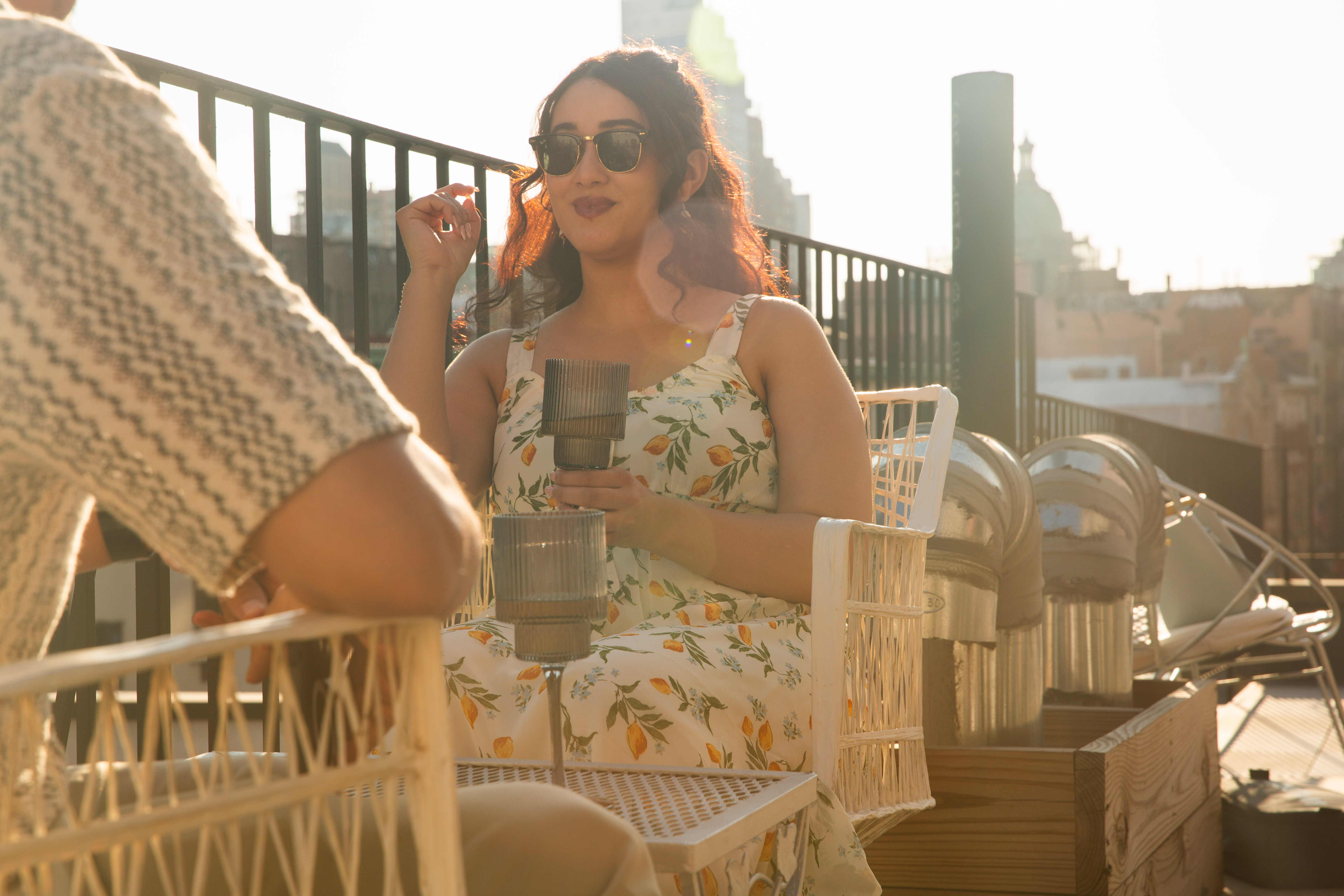


What makes people remember a place emotionally rather than visually?
I think memory can be described as "how it made me feel." We might not remember the exact details or what we saw or discussed, though we can recall the emotion associated. Emotions and scents are also deeply connected as a key provoker of memories. Kalei is scented with jasmine, oud and frankincense to invite.
Has this place changed you personally in any way?
Founder, Amro Halwani, fell in love with design, first as a collector, with a structured background in finance. While deciding to pursue design full time at Kalei, he learned to become more adaptable and to appreciate the value of creativity. "Working closely with designers, collectors, and curious people has taught me that great ideas often come from unconventional perspectives."


PLACE
Le Park Mougins
Mougins, France
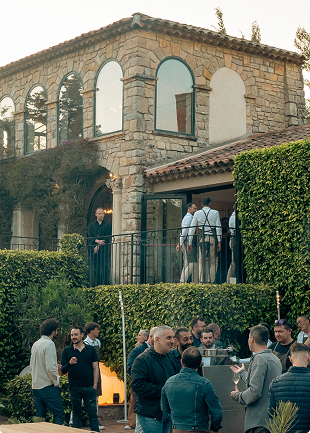

“A prestigious setting for exceptional moments, just 10 minutes from Cannes.”

.png)