The Perfect Emulsion : Why Exceptional Hospitality Needs Empathetic Law
“By developing a profound understanding of the opportunities and risks underlying a client’s dreams and fears, the lawyer and restaurateur become something profoundly beautiful: oil and vinegar, perfectly emulsified.”


.png)
Hospitality law… now there’s a phrase that sounds like an oxymoron. Hospitality is an industry where generosity, creativity, and pushing boundaries are extolled. Bold thinkers and iconoclasts are rewarded here by adoring fans, long lines and book deals. Law, on the other hand, requires following rules, adhering to strict compliance, and coloring inside the proverbial lines. On the surface, law and hospitality look like oil and water.
So how do I, as a hospitality lawyer, balance these clashing priorities and philosophies ? Therein lies the difference between a recent culinary academy graduate and a Michelin-starred chef. A line cook can dogmatically follow a recipe to crank out an honest hamburger. A Michelin-starred chef, however, can deconstruct an old-fashioned dish of lasagna and elevate the cuisine into another plane of gastronomic existence.
A competent lawyer in the hospitality industry knows the standard legal terms and conditions; they ensure critical lease terms and negotiation points are laid out and accounted for. But an empathetic lawyer deeply empathizes with their restaurateur, understanding their unique business needs and nuances. Each deal is made-to-order, each contract bespoke.
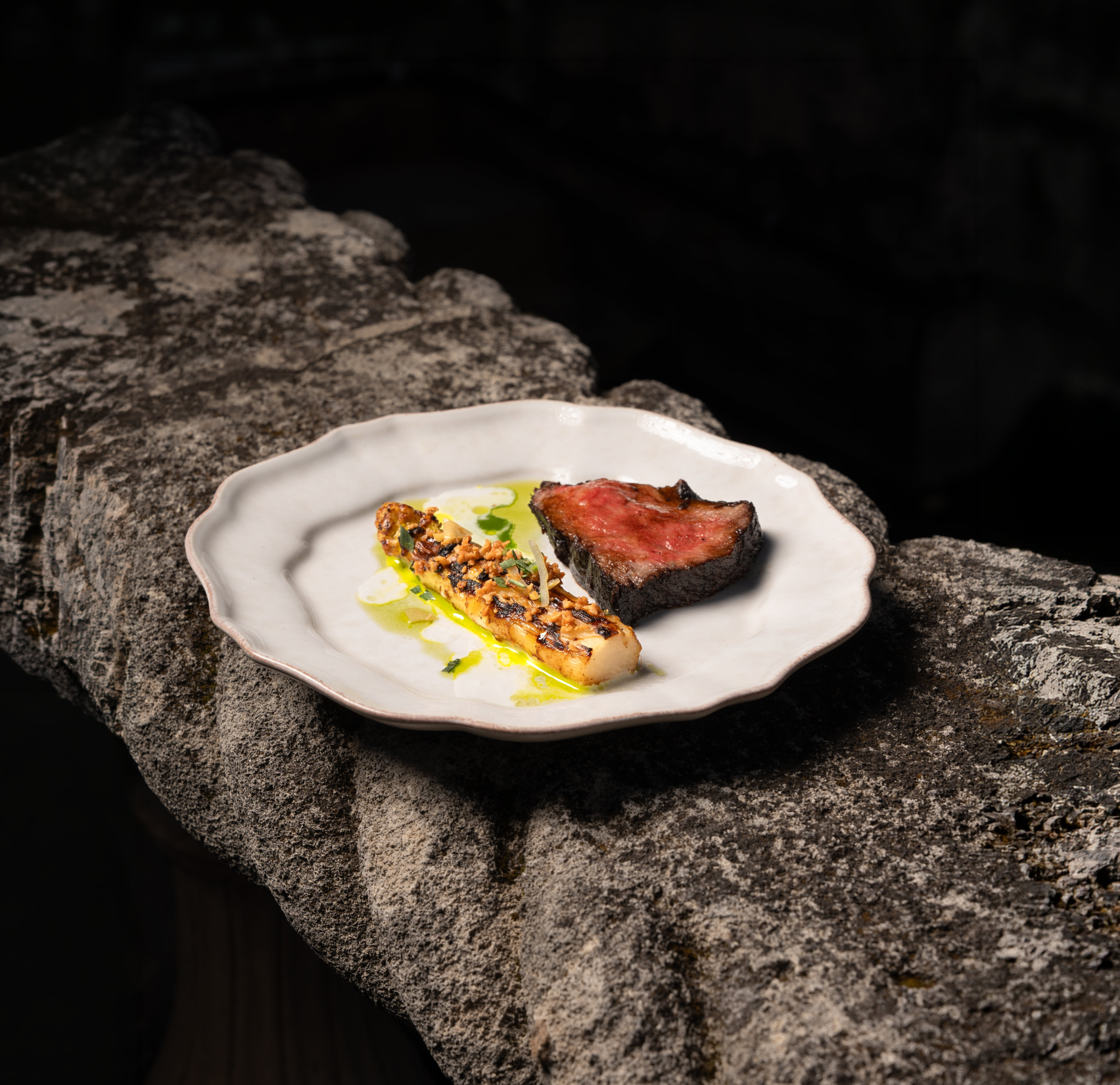
By developing a profound understanding of the opportunities and risks underlying a client’s dreams and fears, the lawyer and restaurateur become something profoundly beautiful: oil and vinegar, perfectly emulsified [1].
One restaurateur from Colombia comes to mind when I think about balancing drive and passion with the cold calculation of law and finance. This restaurateur had always dreamed of opening a restaurant in Manhattan following several successful projects in Cartagena. After searching far and wide, she found a space in the heart of SoHo, the former home of a legendary seafood restaurant that had sadly closed during the COVID-19 pandemic. This would be the perfect venue to launch her career in the USA. Elated that her dream was within reach, she barreled ahead with me in negotiating favorable deal terms with the landlord.
However, while digging into the specific zoning, licensing, and real estate history, we unearthed a critical detail: there were limitations to the square footage allocated for covers at this location. As we assessed the pro forma P&L, it became glaringly apparent that without those extra tables to support the lease terms, the business would struggle even under blue-sky circumstances. As painful as that discovery was, this restaurateur staved off a much greater heartbreak by walking away before signing the lease. Her dream was deferred but not extinguished; a year later we signed an equally inspiring location with more favorable deal terms that would poise her for success.
Ultimately, good hospitality law isn't about saying "no" to wild creativity or big dreams. It’s about establishing a foundation sturdy enough to hold them up
As a lawyer, my job isn’t to put out the fire of a passionate entrepreneur; it’s to make sure they don’t accidentally burn their own kitchen down. When the legal calculation and creative passion finally align, that’s when the real magic happens, and that is a recipe worth waiting for.
[1] Culinary Secret : Left alone, oil and vinegar will always separate. To make them truly work together as a smooth, cohesive sauce, chefs add a third ingredient called an emulsifier (like mustard, honey, or egg yolk). An emulsifier is a molecular peacemaker: one side of its molecule loves water (vinegar), and the other side loves oil. It holds them both by the hand so they can't pull apart.


@lunchwithmayan
The Problem Was Never the Food
“When I look back at the meals that have stayed with me emotionally over the years, very few are tied purely to taste.”

.png)